
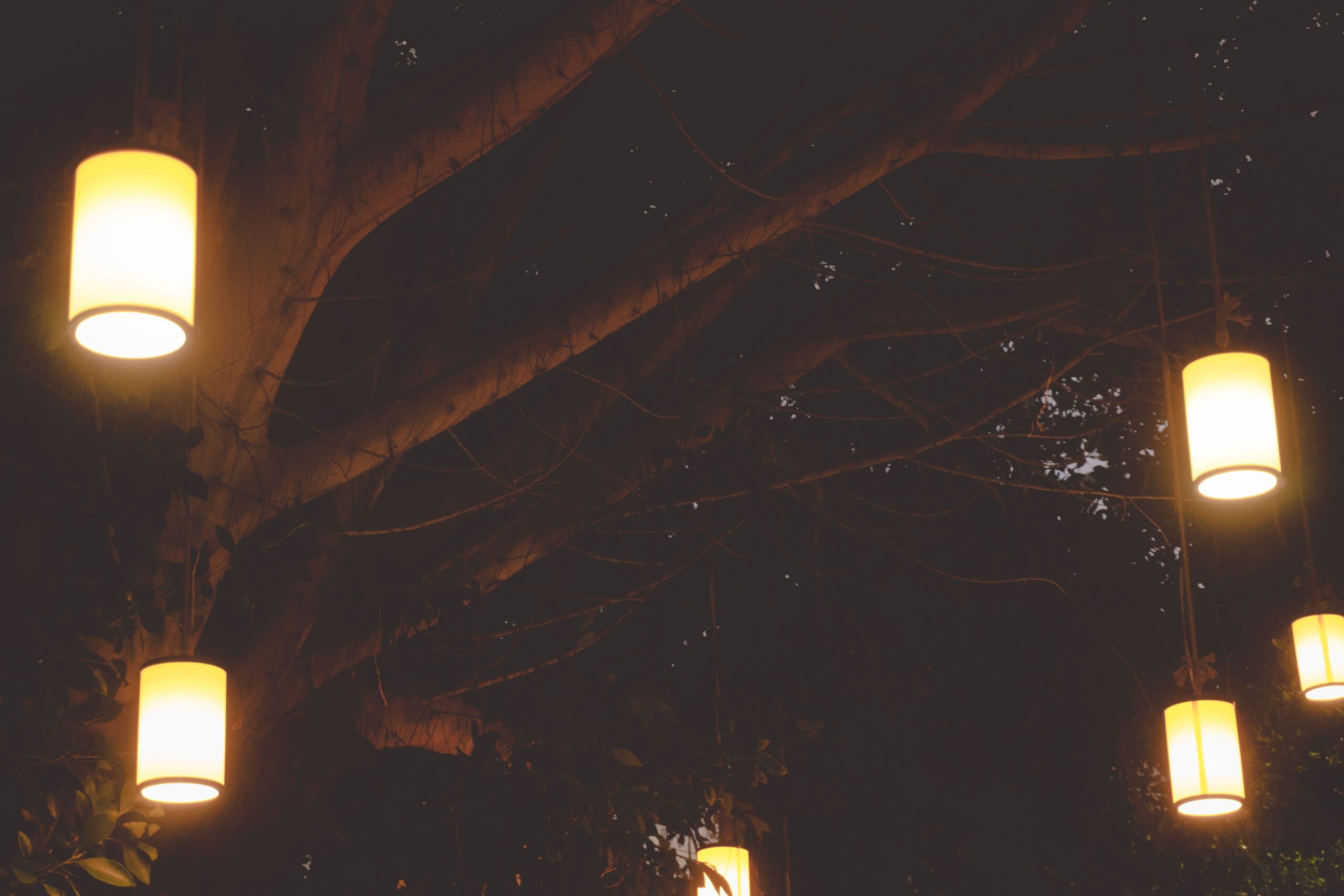
The best landscape lighting ideas for Massachusetts homes combine curb appeal with durability, since outdoor fixtures here need to handle freezing winters, humid summers, and coastal salt air near Salem, Peabody, and Saugus. Popular options include low-voltage path lighting, LED uplighting for trees, deck step lights, and spotlights for architectural features.
This guide covers the most effective outdoor lighting styles, what they cost, which options work best for New England climates, and how a licensed electrician can help you get it done safely and up to Massachusetts electrical code.
Explore the Most Popular Landscape Lighting Styles
Massachusetts yards come in all shapes, from the wooded lots of North Andover and Middleton to the colonial-style homes lining streets in Wakefield and Lynnfield. The right lighting style depends on your goals, whether that is safety, beauty, or both.
- Path lighting: Low-profile fixtures along walkways and driveways. Ideal for navigating icy or wet surfaces in winter.
- Uplighting: Fixtures aimed upward at trees, shrubs, or your home’s facade. Creates dramatic nighttime visuals.
- Downlighting: Mounted in trees or on eaves, mimicking natural moonlight. Great for patios and seating areas.
- Step and deck lights: Recessed into risers or deck boards. Improves safety and extends usable outdoor hours.
- Spotlights: Focused beams for statues, garden beds, or architectural details like columns or brick chimneys.
- String lights: Popular for pergolas and outdoor dining areas across Burlington, Tewksbury, and Woburn neighborhoods.
- Well lights: In-ground fixtures that blend into lawns while illuminating plants or walls from below.
Mixing two or three of these styles creates the layered look that professional designers recommend. You do not need to light everything at once. Start with paths and one focal point, then expand over time.
Understand Landscape Lighting Costs in Massachusetts
Costs for outdoor lighting installation in Massachusetts vary by fixture type, wiring complexity, and how many lights you are adding. Here is a realistic breakdown based on typical projects in towns like Andover, Haverhill, and Billerica.
| Lighting Type | Average Cost Per Fixture | Typical Install Range |
|---|---|---|
| Path lights (low-voltage) | $20 to $80 | $300 to $800 for 8 to 12 lights |
| Uplights for trees | $40 to $150 | $400 to $1,200 for 4 to 6 lights |
| Deck or step lights | $30 to $100 | $500 to $1,500 depending on deck size |
| Spotlights or well lights | $50 to $200 | $600 to $2,000 for full front yard |
| Full landscape lighting system | Varies | $2,000 to $6,000+ professionally installed |
Labor costs in eastern Massachusetts typically run $75 to $125 per hour for a licensed electrician. If you need new circuits, a transformer upgrade, or conduit buried underground, expect higher totals.
Diorio Licensed Electrician provides transparent quotes before starting any job, so you know exactly what you are paying for before we pick up a single tool.
Choose Fixtures That Survive New England Winters
Massachusetts weather puts outdoor fixtures through serious stress. Temperatures in Methuen, Lawrence, and Wilmington can drop below zero in January. Spring thaw brings ground heaving. Coastal towns like Salem and Saugus deal with salt air corrosion year-round.
Here is what to look for when selecting fixtures for Massachusetts landscapes:
- IP65 or higher water resistance rating: Fully protected against water jets and heavy rain. Do not settle for IP44 in New England.
- Brass or copper construction: Naturally corrosion-resistant. Ages beautifully and holds up near coastal areas.
- Cast aluminum housing: Lightweight, rust-free, and handles freeze-thaw cycles better than plastic.
- LED bulbs rated for cold temps: Standard LEDs can flicker or dim below 20F. Look for fixtures rated to minus 40F.
- Stainless steel hardware: Screws and mounting brackets should be stainless, not zinc-plated, to resist rust.
Brands like Kichler, VOLT Lighting, and FX Luminaire offer product lines specifically suited for harsh northern climates. Your electrician can help you match fixture ratings to your yard’s specific exposure level.
Compare Low-Voltage vs Line-Voltage Landscape Lighting
One of the biggest decisions for Massachusetts homeowners is choosing between low-voltage and line-voltage systems. Each has trade-offs depending on your yard size, budget, and how complex you want the installation to be.
| Feature | Low-Voltage (12V) | Line-Voltage (120V) |
|---|---|---|
| Safety | Safer for DIY wiring, minor shock risk | Requires licensed electrician |
| Brightness | Moderate, best for accents and paths | High output, better for large trees and facades |
| Energy use | Very efficient with LED | Higher draw, still efficient with LED |
| Installation cost | Lower, transformer-based | Higher, needs dedicated circuit |
| Best for | Path lights, garden accents, small yards | Uplighting large trees, security floods, large properties |
Most Massachusetts homeowners combine both systems. Low-voltage handles paths and accent beds, while line-voltage powers larger spotlights or security lights near garages and driveways.
Any line-voltage outdoor work in Massachusetts requires a licensed electrician per state electrical code. Diorio Licensed Electrician installs both systems and can help you design a layout that uses each type where it makes the most sense.
Plan Lighting Layouts for Common Massachusetts Yard Styles
Yards in this region vary widely. A colonial on a corner lot in Stoneham has different needs than a contemporary home on a wooded acre in Andover or a compact townhouse yard in Melrose. Here are layout ideas for common local yard types.
Colonial and Traditional Homes (Wakefield, Lynnfield, Wilmington): Focus on symmetry. Place matching path lights on both sides of the front walkway. Uplight two matching trees flanking the entrance. Add coach-style wall lights at the garage.
Wooded or Larger Lots (North Andover, Middleton, Billerica): Use tree-mounted downlights to mimic moonlight across lawn areas. Highlight stone walls or natural boulders with ground-level spotlights. Keep fixture spacing wider to avoid over-lighting.
Coastal and Near-Water Properties (Salem, Peabody, Saugus): Stick to brass, copper, or marine-grade aluminum. Avoid zinc or chrome finishes. Use directional fixtures that minimize light bleed toward neighbors or water.
Smaller Suburban Yards (Woburn, Burlington, Tewksbury, Stoneham): Prioritize deck lighting and a few path lights. One or two uplights on a feature tree go a long way in a compact space. Smart timer controls help you automate everything without overcomplicating the system.
Understand Massachusetts Electrical Code Requirements for Outdoor Lighting
Massachusetts follows the National Electrical Code with state-specific amendments. Outdoor electrical work has specific rules that apply to landscape lighting projects in Reading, Haverhill, Lawrence, and every other town we serve.
- All 120V outdoor outlets and hardwired fixtures must be GFCI-protected per NEC 210.8(A).
- Underground wiring must use UF-B cable or conduit rated for direct burial at the correct depth (typically 12 inches for UF-B, 6 inches for rigid conduit).
- Outdoor fixtures in wet locations must be labeled as wet-rated, not just damp-rated.
- Any new circuits added to your panel require a permit in Massachusetts.
- Work near swimming pools must meet additional bonding and distance requirements under NEC Article 680.
Skipping permits or using improperly rated wire can create hazards and complicate home sales later. Working with a licensed electrician keeps everything legal and safe from the start.
FAQs on Landscape Lighting Ideas Massachusetts
How many landscape lights do I need for my front yard?
Most front yards in Massachusetts look best with 6 to 12 lights total. A typical setup might include 4 to 6 path lights along the walkway, 2 uplights for a tree or shrub, and 1 to 2 spotlights for the home’s facade. Your electrician can walk the yard with you before installing anything.
Can I install landscape lighting myself in Massachusetts?
Low-voltage plug-in systems do not require a permit and can be a DIY project. Any hardwired 120V work requires a licensed electrician and a permit under Massachusetts law. Attempting unpermitted electrical work can result in fines and may void your homeowner’s insurance.
What is the best time of year to install outdoor lighting in Massachusetts?
Late spring through early fall is the ideal window, roughly May through October, when the ground is workable and weather is stable. That said, Diorio Licensed Electrician installs outdoor lighting year-round, and some homeowners prefer scheduling in fall before the ground freezes to have lights ready for winter holidays.
Do landscape lights increase home value in Massachusetts?
Yes. Professional landscape lighting consistently ranks among the top exterior upgrades for return on investment. Real estate agents in markets like Andover, Lynnfield, and Salem note that well-lit homes photograph better and often sell faster. A professionally installed system adds perceived value and practical security.
How much does it cost to run landscape lights in Massachusetts?
A typical LED low-voltage system running 6 hours per night costs roughly $3 to $8 per month in electricity. Massachusetts electricity rates average around 22 to 25 cents per kWh, so LED fixtures make a meaningful difference in ongoing costs compared to older halogen or incandescent systems.
Can landscape lighting work with a smart home system?
Yes. Many landscape lighting transformers and fixtures are compatible with smart timers, WiFi controllers, and platforms like Google Home or Amazon Alexa. A licensed electrician can integrate your outdoor lights into an existing smart home setup or install a standalone automated system with dusk-to-dawn sensors.
Wrap Up and Next Steps
The right landscape lighting ideas for your Massachusetts home come down to choosing durable fixtures, matching the style to your yard, and making sure all electrical work meets state code requirements. Whether you want a simple path light setup or a full outdoor lighting system, planning it properly saves time and money.
Diorio Licensed Electrician serves homeowners across Reading, Wilmington, Andover, Salem, Haverhill, Burlington, and all surrounding towns. We handle everything from low-voltage transformer installs to new outdoor circuits and full landscape lighting systems.
Call us today at (781) 389-9462 to schedule a free outdoor lighting consultation. We will walk your property, discuss your goals, and give you a clear written quote before any work begins.